
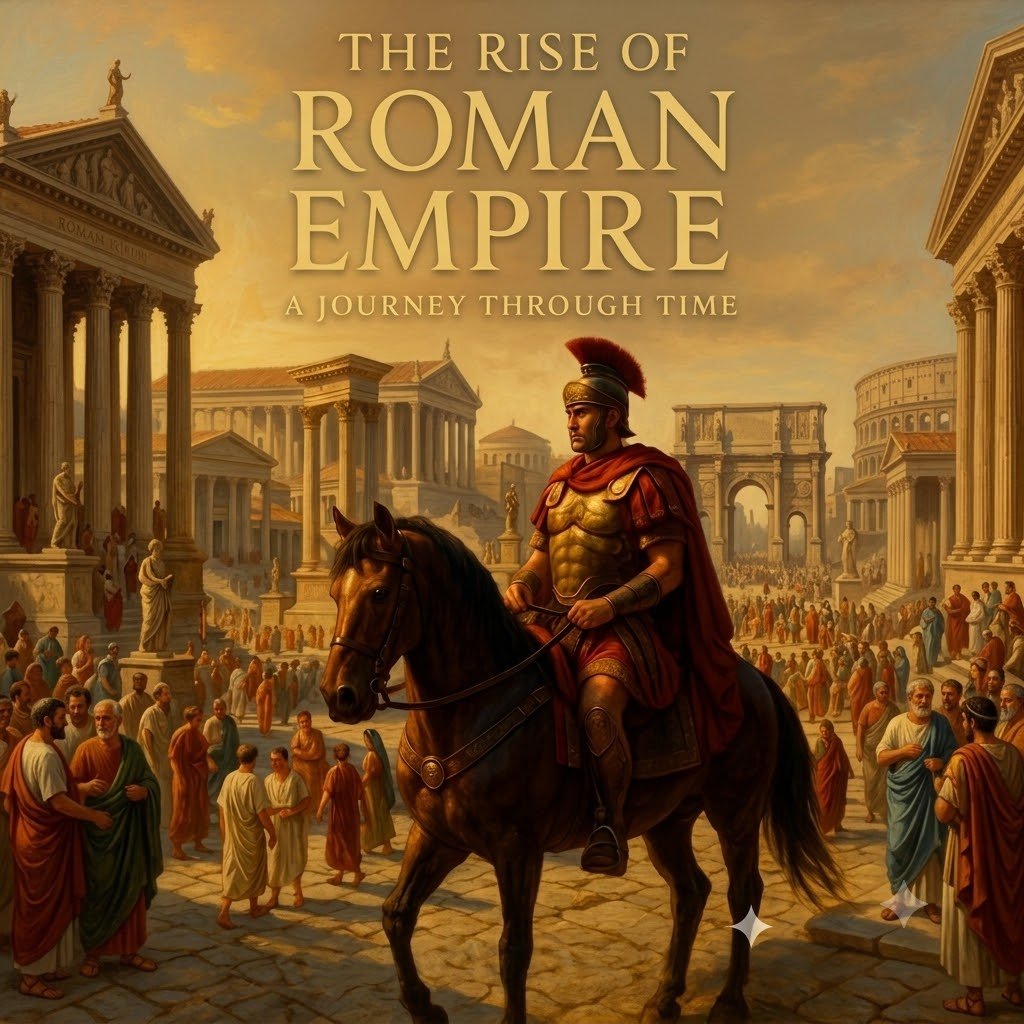
The Rise of the Roman Empire: A Journey Through Time
From Humble Beginnings: The Foundation of Rome
In the heart of Italy, among the rolling hills and broad plains, lay a small settlement that would grow to become one of history's most powerful civilizations. The origins of Rome are shrouded in myth, legend, and a rich tapestry of archaeological evidence. To truly appreciate the rise of this illustrious city, we must journey back to its beginnings a time when the divine and the mundane intertwined, laying the foundations of a society that would shape the future of the Western world.
The Legendary Birth of Rome
The Myth of Romulus and Remus
At the core of Roman mythology is the tale of Romulus and Remus, twin brothers said to be the sons of the god Mars and the vestal virgin Rhea Silvia. According to legend, they were abandoned at birth and left to die by the banks of the Tiber River. However, fate intervened as a she-wolf discovered the infants and suckled them, nurturing them until they were found by a shepherd named Faustulus.
This myth encapsulates the values of courage, survival, and a deep connection to the divine qualities that Romans would come to cherish. Romulus and Remus, embodying the fierce spirit of the Roman people, eventually reclaimed their birthright. The twins decided to establish a city, but a fateful dispute over its location led Romulus to slay his brother, marking the foundation of Rome in 753 BCE.
This story serves not only as a thrilling narrative but also as a reflection of early Roman society. The fraternal conflict highlights the struggles inherent in leadership and governance. Romulus s ultimate triumph can be interpreted as a metaphor for the harsh realities of power, a theme prevalent throughout Roman history. The act of fratricide is particularly poignant, symbolizing the sacrifices often demanded in the pursuit of greatness.
No reviews found!





No comments found for this product. Be the first to comment!